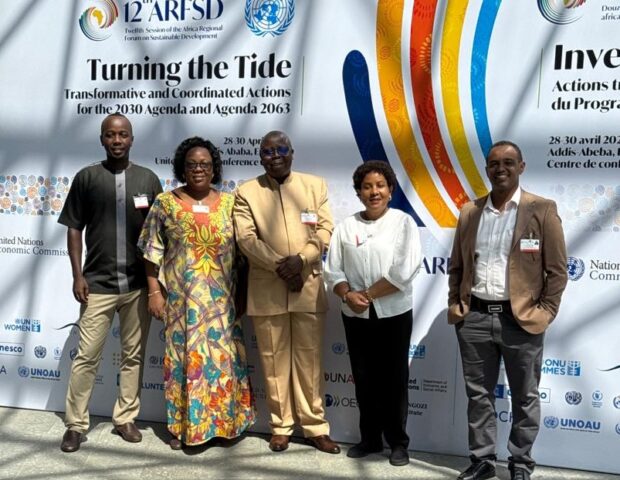
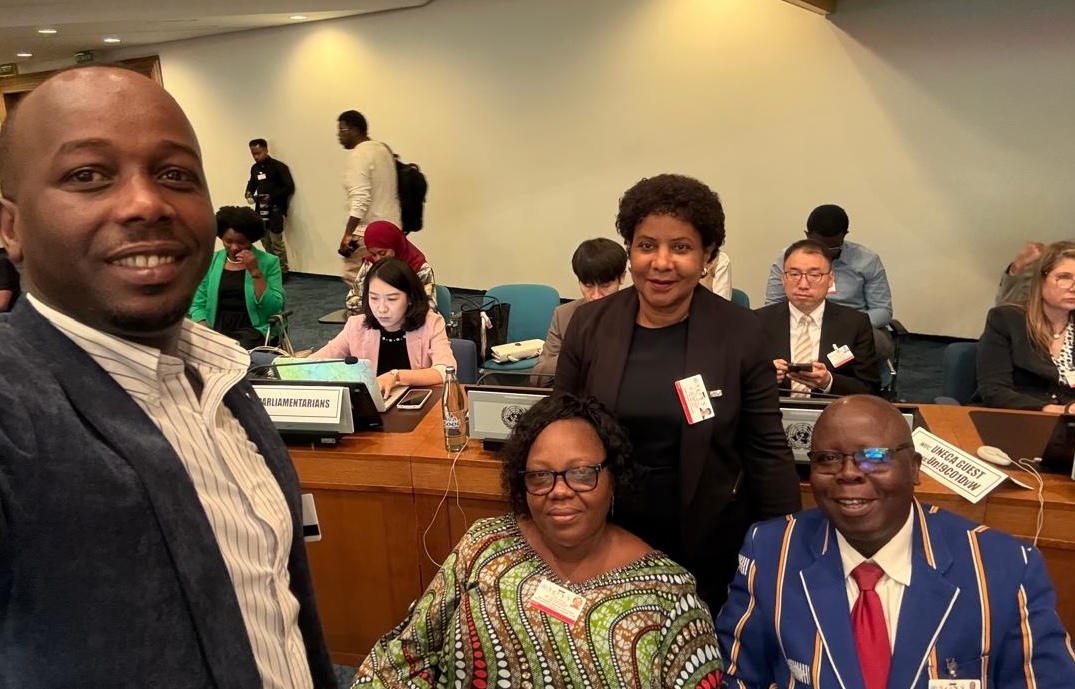
The Global Campaign for Education (GCE) and its members actively contributed to the 12th Africa Regional Forum on Sustainable Development (ARFSD), held in Addis Ababa, Ethiopia, from 28-30 April 2026 with the theme, ‘Turning the Tide: Transformative and Coordinated Actions for the 2030 Agenda and Agenda 2063’.
Taking place with less than five years to the 2030 deadline, the forum underlined how slowly Africa is progressing on 12 Sustainable Development Goals (SDGs), and even regressing on five, raising the stakes for action on education and wider social justice.
This year’s ARFSD showcased Uganda as a standout example of SDG follow‑through, having implemented most of the ARFSD 11 declaration and used a high‑level national SDG forum to take stock of progress across all ministries and departments. Uganda has increased its tax‑to‑GDP ratio from 12.5% in 2022 to 14.2% in 2024/25 and prioritised in‑country value addition of minerals to create jobs, illustrating how domestic policies can drive more equitable development.
Throughout the discussions, delegates highlighted unsustainable debt levels and illicit financial flows as major obstacles to sustainable development. Domestic resource mobilisation emerged as a central theme, with calls for progressive digitalised taxation, digital public administration, and innovative financing to support a just digital and green transition.
GCE’s engagement and alliances
GCE, ANCEFA, and Africa National Education Coalitions (NECs) used the forum to deepen collaboration with key stakeholders engaged in the Voluntary National Review (VNR) processes, which are the official UN reviews where governments report on their progress towards the SDGs. VNRs are country‑led reports presented at the UN High‑Level Political Forum (HLPF), and they are a key moment for civil society to influence how progress is assessed.
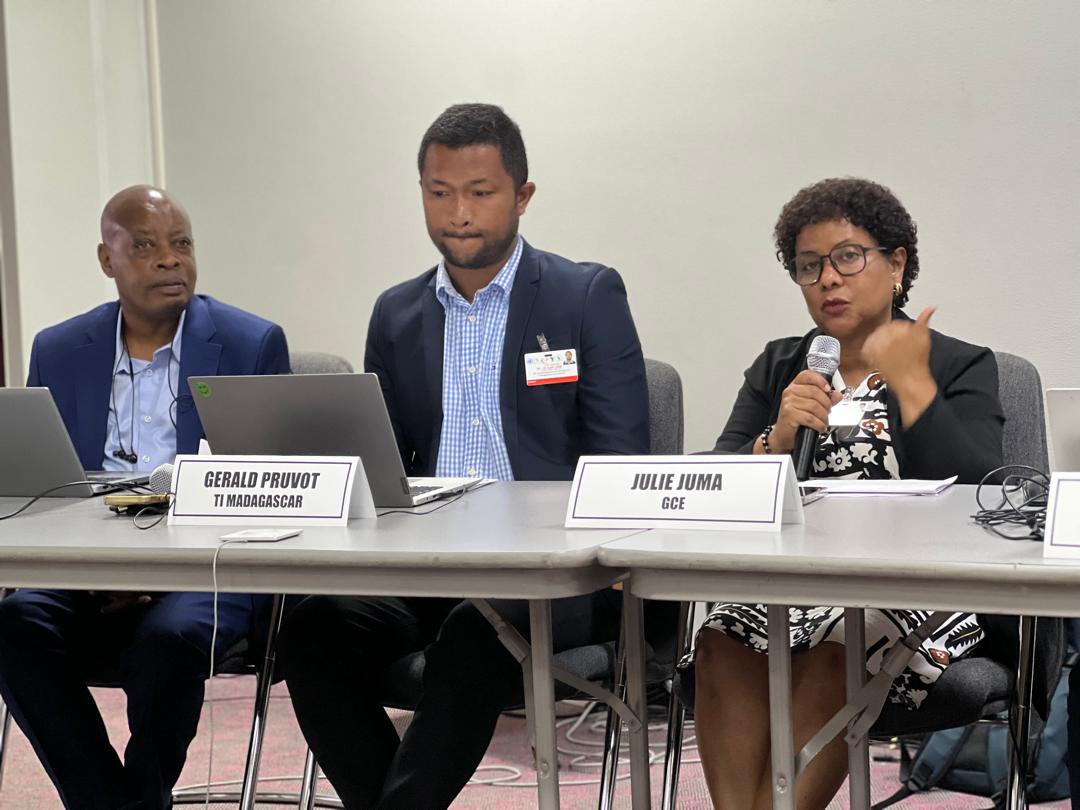
In a meeting with the focal point for Major Groups and Other Stakeholders (the UN contact responsible for coordinating civil society participation in these processes) NECs were urged to link with national civil society organisation (CSO) platforms, which bring together different NGOs and movements at country level. This would allow NEC Spotlight reports (their detailed assessments of education and SDG implementation) to feed into broader civil society shadow reports on the SDGs, which offer an independent check on the official narratives of governments.
Where national civil society platforms are weak or inactive, national education coalitions were encouraged to step up and coordinate civil society contributions, with the possibility of them getting support for their representatives to present these messages at the High‑Level Political Forum (HLPF). National education coalitions at ARFSD also met with their country delegations to agree how to bring education and equity more strongly into the ongoing Voluntary National Review processes, which cover all the SDGs and will be validated in the coming weeks.
GCE representatives took the opportunity to connect with strategic partners, including Transparency International country chapters preparing Spotlight reports, Sightsavers Africa on disability‑inclusive VNRs, and the African Parliamentary Network on Illicit Financial Flows and Taxation (APNIFFT), which works with parliamentarians in Southern and Central Africa on tax justice and advocacy. These connections open new avenues for GCE members to influence policy debates on financing, equity, and the right to education.
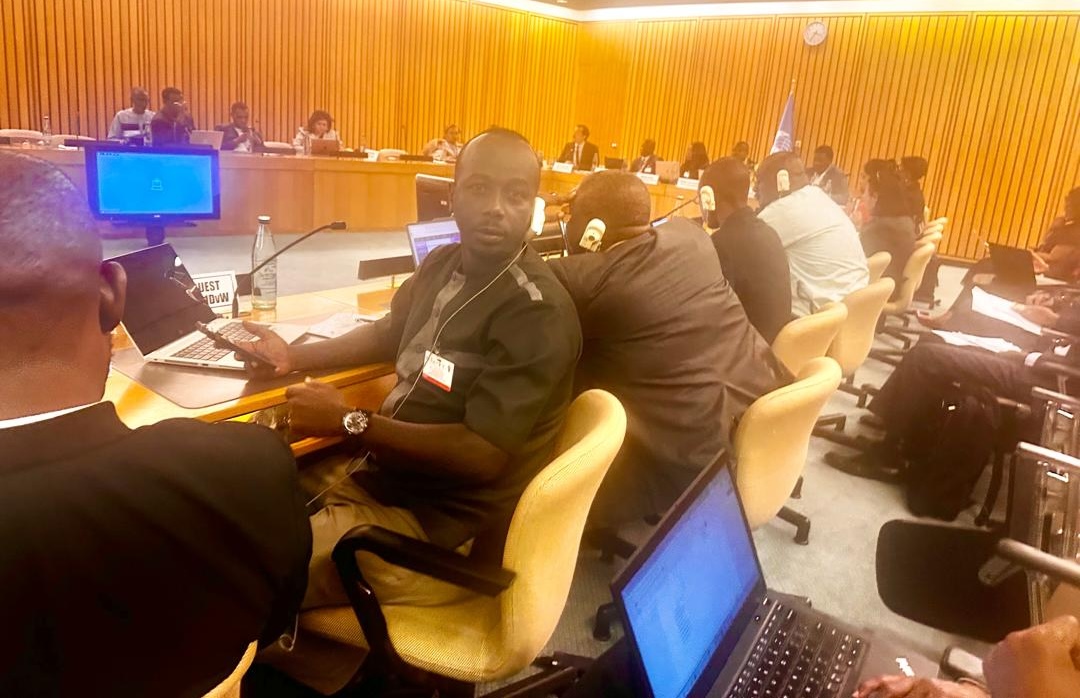
The ARFSD discussions also stressed the need to equip young people for industrialisation and digitisation by expanding tertiary education and investing in Technical and Vocational Education and Training (TVET). For GCE and its members, this reinforces the importance of advocating for inclusive, publicly-funded education systems that serve all learners, especially girls, learners with disabilities, and those affected by conflict and climate change.
The forum concluded with a set of follow‑up actions that will shape GCE’s advocacy in the coming years. Civil society, including GCE members, will be crucial in monitoring government implementation of the Addis Ababa Declaration, which embeds follow‑up to the Sevilla Commitment on Financing for Development and the Doha Political Declaration of the “World Social Summit”.
Looking forward, Ethiopia will host COP 32 in 2027, presenting a key moment for Africa to push for climate outcomes that match the adaptation and resilience needs of the continent and long‑term development pathways. As part of the follow‑up to this and the wider 2030 Agenda, the SDGs under global review in 2027 will include SDG 4 on education, SDG 10 (reduced inequalities), SDG 12 (sustainable consumption and production), SDG 15 (sustainable ecosystems) and SDG 17 (partnerships for the Goals), making it essential for GCE and its members to begin early strategising for both COP 32 and the 2027 SDG Summit.
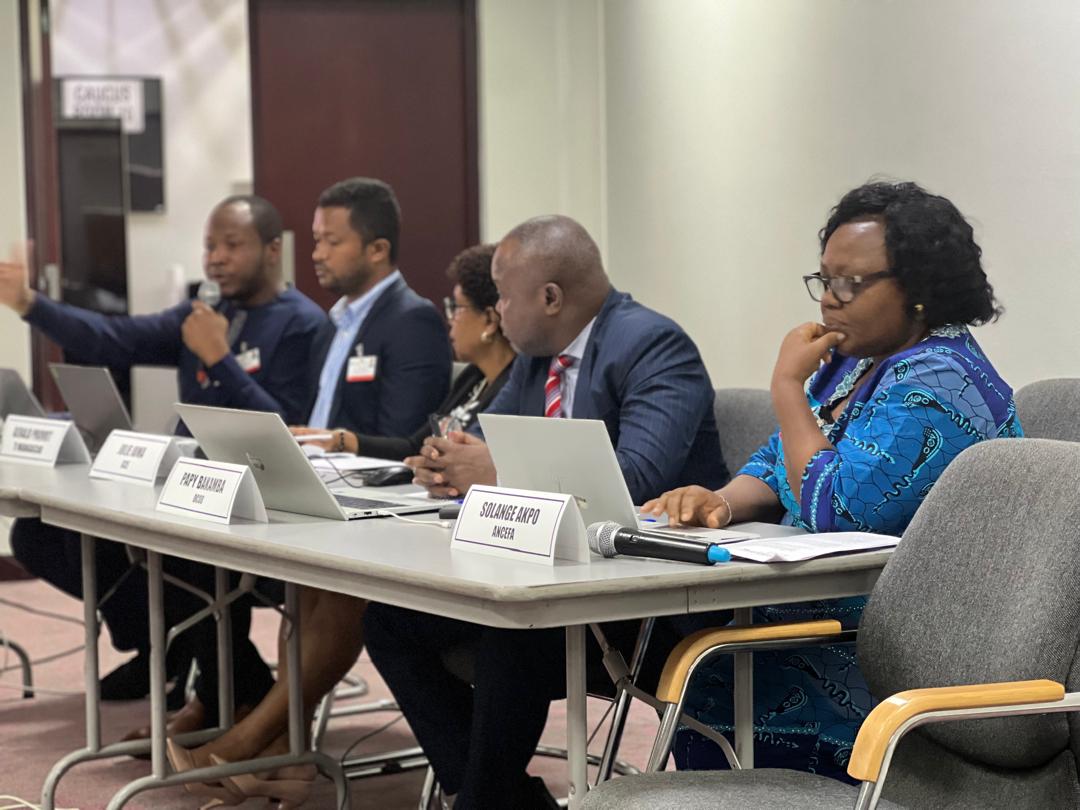
Member State participation in this year’s ARFSD was uneven, with some countries absent or represented only by technical staff, and Regional Economic Communities largely missing from the room. This presents a direct advocacy opportunity for GCE coalitions to engage their Ministries of Education and push for strong political representation at ARFSD 13 and the 2027 review of SDG 4.
GCE will now work with its members across Africa to build on the connections and commitments forged at ARFSD 12, ensuring that education justice, financing, and accountability remain at the heart of Africa’s sustainable development agenda.
Here is a short video of Tahirou Traoré, National Coordinator of the National Coalition for Education for All in Burkina Faso (CNEPT/BF), speaking at the 12th Africa Regional Forum on Sustainable Development on the importance of including SDG4 in the discussions –